

Play
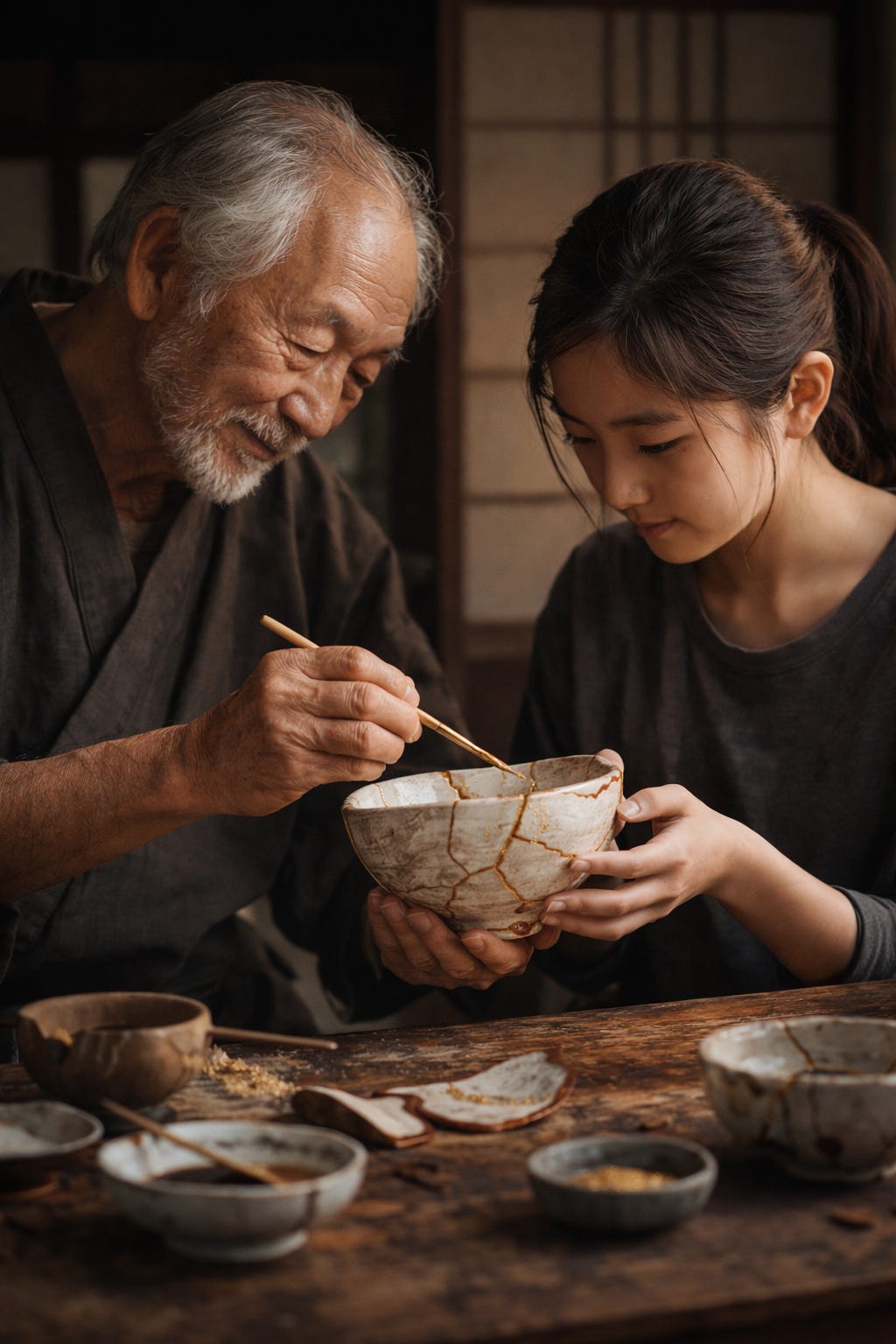
“The maturity of man—that means, to have reacquired the seriousness that one had as a child at play”. - Friedrich Nietzsche
The legendary founder of Nike, Phil Knight, begins his book “Shoe Dog” by describing a morning run at 24 years old in which he decides to pursue his idea.
Whether or not the run really happened (Phil wasn’t certain), it was a starting point, the spark that ignited the journey he would undertake.
In that moment, he realised what it was that he wanted his life to be: Play.
In another book that I read a page from recently, “The Daily Laws” by Robert Greene, his message on that day was to “reconnect with your childhood obsession”, and these two pieces struck a chord with me.
It caught my attention on just the right day.
It is a rarity that someone can tell you just what they see themselves doing for the rest of their lives, and most of us end up falling into roles by chance or circumstance.
This is not a piece about following your dreams. I love that idea and do believe it is a possibility for many, but it is less so for many, too.
What I believe is important is that we remain connected to these dreams or obsessions that live inside us.
In life, responsibility can sweep us away like the current of a roaring river that we have no control over, and we can lose ourselves.
Life has its seasons, like everything else and at times we have to prioritise those responsibilities, but we must not get totally lost in them and return to those things that light a fire inside us.
Phil knew what he liked doing, and that was running, running fast. What did you need to be able to run fast? Running shoes.
He let this be his guiding light, and with an idea in hand - a college paper that he wrote - he embarked on a journey that would eventually lead to the founding of Nike.
Environment
“We shape our buildings; thereafter, they shape us.” - Winston Churchill
Churchill is referencing how our environment shapes us.
This is a powerful idea, especially since we have the power to shape our own environment, which in turn shapes us.
We are a culmination of those with whom we spend time, the things we see and read, what we consume, but also what we choose to ignore. Something that in this day and age is nearly more of a skill than knowing what to consume.
In his highly successful book, “Atomic Habits”, James Clear referred to our environment as “the invisible hand that shapes human behaviour.”
The idea being that our habits dictate how we behave daily, as these are the small actions that we take from moment to moment that compound into how we act in our everyday lives.
For example, if a person wants to read more before bed, they are more likely to read a book that is sitting on their bedside table than if the book was stored on a bookshelf downstairs.
Will alone is not strong enough to force us into better ways of living; we need to cultivate an environment that encourages it.
It is the same with the places we go and the people we spend our time with. If you want to cut down on alcohol but spend every weekend in the pub, you will fail!
A person who visits the gym three times a week and follows a simple, consistent plan is more likely to be in better physical shape than another who spends their time designing the perfect workout plan yet only goes to the gym in fits and spurts.
Think about what it is you want from life and tailor your environment as best you can to help you move towards this.
Spend time in the right places, around the right people, engaged in the right activities, and you will find that over time, you will become more of what you surround yourself with.
Wander
“Not all those who wander are lost” - Bilbo Baggins
Robert Greene was almost 40 (39) when his first book, “The 48 Laws of Power”, was released. He would have approximately 60 jobs in his 20s and 30s as he searched for his true path.
He wandered but trusted the process and his intuition.
That book alone at the time of writing has sold over 5 million copies worldwide, and Robert, as an author, has sold over 10 million books.
His story is a testament to trusting the process and believing that he would find his calling.
However, many who wander are also lost. I am not referring to the act of consuming and feeling frustrated and angry with the world as wandering.
I refer to the idea of following your interests when you can, not allowing life to discourage you or remove your passion for those things.
Sometimes the pursuit of a passion can lead to commercial success, but along the way, the pressure of maintaining that success can erode the passion. You mustn’t sell out on what you feel or believe to reach a financial goal; go with what feels right, not with what you think will ‘sell’.
In the short run, it may seem like the wrong idea, but in the long run, it will deliver far more than financial success.
As Einstein (may have) put it, “I have no special talents. I am only passionately curious.” I believe it is in pursuit of that curiosity that we find ourselves, where we are shaped.
Wander, but do so with curiosity and purpose.
“Do not seek to follow in the footsteps of the wise. Seek what they sought.” - Matsuo Bashō
Thank you for taking the time to read this article!
Did anything in this post make you think?
I’d love to hear from you in the comments!! 💬
If you liked this article or any of my work, you can click the link below.
This can be a one-time thing or an ongoing support!
Thanks in advance!